
TMS for Autism in Phoenix, Arizona
By Camelback Integrated Health and Wellness | January 26, 2026
Content Medically Reviewed By: Dr. Robbie Westerman, DNP-PMHNP – Chief Medical Officer
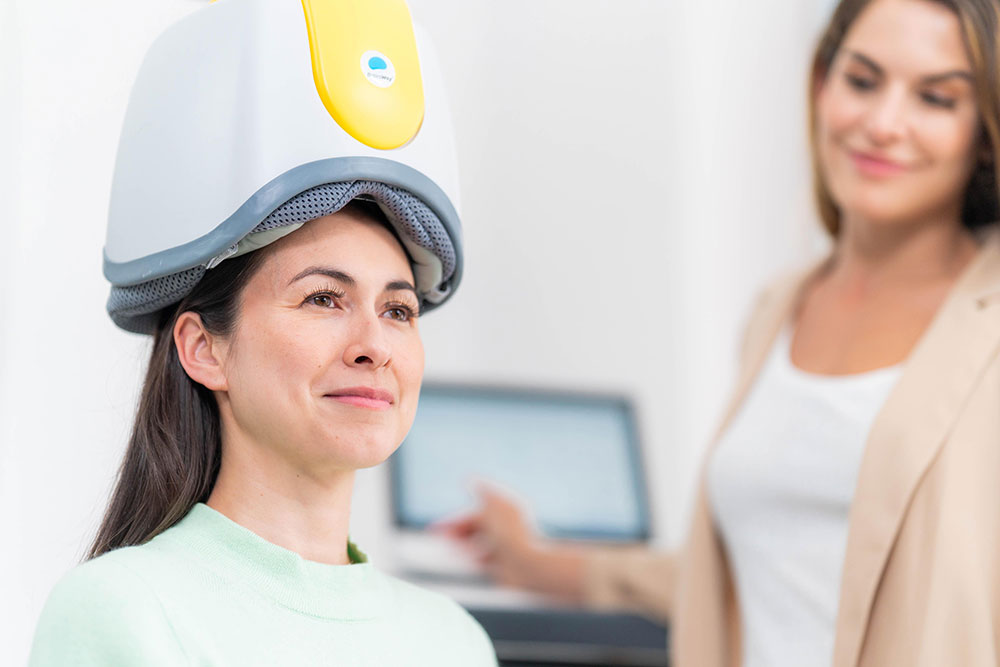
TMS for autism at Camelback Integrated Health and Wellness in Phoenix, Arizona offers a non-invasive, research-informed option for individuals on the Autism Spectrum seeking additional support for emotional regulation, focus, and overall quality of life.
Transcranial Magnetic Stimulation uses targeted magnetic pulses to influence areas of the brain involved in communication, sensory processing, mood stability, and behavioral regulation. While TMS is not a cure for Autism Spectrum Disorder, it may help ease certain associated challenges such as anxiety, irritability, mood dysregulation, and difficulty with focus or engagement.
At Camelback Integrated Health and Wellness, we provide TMS therapy for autism in a calm, outpatient setting with a strong emphasis on individualized care and collaboration with families.
Call (480) 631-9623 or visit our contact page to learn more about whether TMS may be appropriate for you or your loved one.
What You’ll Learn
- What TMS therapy for autism involves
- How Transcranial Magnetic Stimulation for autism works in the brain
- What the treatment experience is like at Camelback Integrated Health and Wellness
- Safety considerations, potential benefits, and expected outcomes
- How to verify insurance coverage and begin care
What Is TMS Therapy for Autism?
TMS for ASD is a non-invasive neuromodulation therapy that uses focused magnetic stimulation to help regulate brain activity. In individuals with autism, certain brain networks related to emotional processing, attention, and social interaction may function differently.
Research exploring Transcranial Magnetic Stimulation and autism suggests that TMS may help support more balanced neural communication, particularly in individuals who experience emotional reactivity, anxiety, or difficulty with focus.
TMS treatment for autism is often considered when behavioral therapies or medication alone have not provided sufficient improvement, or when individuals are seeking non-medication-based options.
At Camelback Integrated Health and Wellness, every TMS plan is personalized and guided by clinical evaluation, comfort, and safety.
How Transcranial Magnetic Stimulation for Autism Works
TMS therapy delivers gentle electromagnetic pulses to targeted regions of the brain involved in self-regulation, emotional control, and attention. These pulses help modulate neural activity and support more consistent communication between brain regions.
Neuroimaging research has shown that individuals with Autism Spectrum Disorder may experience differences in connectivity and cortical activation. By addressing these patterns, TMS and autism treatment may help support improvements in:
- Emotional regulation
- Anxiety and mood stability
- Attention and cognitive flexibility
- Social engagement and responsiveness
While outcomes vary, many families report gradual, meaningful changes over the course of treatment.
Call (480) 631-9623 or visit our contact page to schedule a consultation.
How TMS Fits Into Care at Camelback Integrated Health and Wellness
Camelback Integrated Health and Wellness specializes in outpatient mental health and neuromodulation services. TMS autism treatment is offered as part of an integrative approach that may include coordination with therapy, psychiatric care, or other supportive services.
Our team works closely with individuals and families to ensure TMS aligns with existing care plans and developmental goals.
Benefits of TMS for Autism
- Non-invasive and medication-free
- No sedation or recovery time
- Minimal side effects
- Personalized treatment protocols
- Can complement therapy and behavioral supports
Call (480) 631-9623 to speak with our care team about TMS for ASD.
The TMS Treatment Process
Every individual receives a customized care plan. Here is what the process typically includes:
1. Initial Consultation
A comprehensive evaluation is completed to determine whether TMS therapy for autism is appropriate, based on medical history, current challenges, and treatment goals.
2. Brain Mapping and Targeting
Advanced positioning techniques are used to identify and stimulate specific brain regions involved in emotional and cognitive regulation.
3. Treatment Sessions
Sessions generally occur several times per week and last approximately 20 to 30 minutes. Treatment is performed in a comfortable outpatient setting, and individuals may resume normal activities immediately afterward.
4. Ongoing Monitoring
Progress is closely monitored, and stimulation settings may be adjusted to support safety and effectiveness.
What Results Can Be Expected?
Responses to TMS for autism vary, but clinical experience and research suggest potential improvements in several areas.
Commonly reported outcomes include:
- Calmer mood and improved emotional regulation
- Reduced irritability or reactivity
- Increased engagement and attention
- Improved ability to manage anxiety
Our goal is to help individuals and families experience greater balance, connection, and daily functioning.
Safety and Side Effects
Transcranial Magnetic Stimulation for autism is safe and well tolerated when provided by trained clinicians.
Possible short-term side effects may include:
- Mild scalp discomfort during early sessions
- Temporary headaches
These effects typically resolve quickly. TMS does not cause memory loss, sedation, or systemic side effects.
A thorough medical review is completed before treatment begins to ensure appropriateness and safety.
Insurance Coverage and Access to Care
Many insurance plans offer coverage for TMS when medically indicated. Our team assists with benefit verification and authorization to simplify the process. Verify your insurance today.
Compassionate Support for Autism Care
At Camelback Integrated Health and Wellness, we recognize that autism care is not one-size-fits-all. Our approach to TMS for autism is rooted in compassion, clinical expertise, and individualized care.
TMS may offer an additional layer of support for individuals seeking improved emotional balance, focus, and quality of life.
Call (480) 631-9623 or visit our contact page to learn more. Serving Phoenix and surrounding Arizona communities.
FAQs: TMS for Process Addictions in Phoenix, AZ
What is TMS for autism?
TMS for autism is a non-invasive therapy that uses magnetic stimulation to support brain regions involved in emotion, attention, and behavior regulation.
Does TMS work for autism?
Results vary, but research suggests TMS may help reduce irritability, anxiety, and emotional dysregulation in some individuals with autism.
Is TMS safe for individuals with autism?
Yes. TMS is generally well tolerated, with mild and temporary side effects such as scalp discomfort or headache.
How long does it take to see results??
Some individuals notice gradual improvements within a few weeks, with continued progress over the course of treatment.
Can TMS be combined with other therapies?
Yes. TMS can complement behavioral therapy, occupational therapy, speech therapy, or psychiatric care.
Is TMS covered by insurance?
Coverage varies by plan. Our team can help verify benefits and explore options.
Posted in Uncategorized
Contact Us to Get Help Now
Fill Out the Form Below